

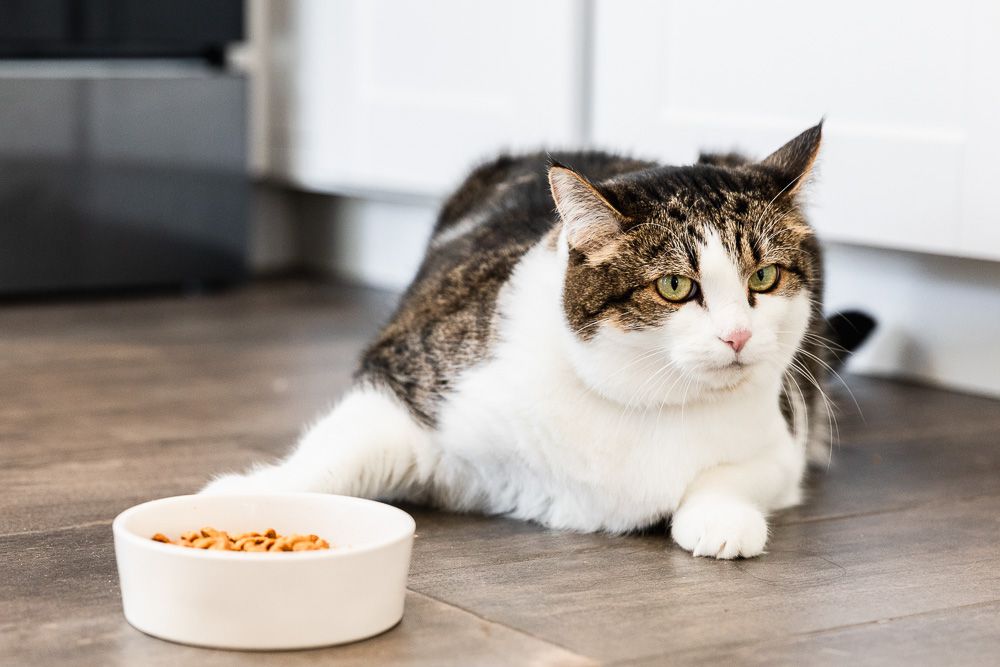
Even the most attentive cat parents can miss the subtle signs that a diet isn’t meeting their cat’s real nutritional needs.
Cats are masters at hiding discomfort — and small issues can escalate if ignored.
At Catology, we created this guide to help you identify early warning signals and give your cat the healthier, more balanced nutrition they deserve.
1. Digestive Upset (Loose Stools, Constipation, Vomiting)
If your cat frequently experiences digestive issues, it may indicate:
-
low-quality ingredients
-
poor digestibility
-
an unbalanced microbiome
-
intolerance to fillers or additives
A healthy diet should result in consistent, well-formed stools and minimal vomiting.
✔️ How to fix it:
-
Introduce a high-quality, protein-first food
-
Avoid wheat, corn, soy, and heavy fillers
-
Add Catology Probiotics to stabilise digestion
2. Excessive Shedding or Dull Coat
A cat’s coat is one of the clearest indicators of internal health.
If your cat’s fur becomes:
-
dry
-
coarse
-
flaky
-
thin
…it may signal a deficiency in essential fatty acids, protein, or gut balance.
✔️ How to fix it:
-
Choose foods rich in omega-3 & omega-6 fatty acids
-
Support gut balance with probiotics to improve nutrient absorption
3. Low Energy or Sudden Lethargy
Diet-related fatigue is more common than owners realise.
When a food lacks proper protein quality or contains excessive carbs, your cat may experience:
-
unstable energy levels
-
decreased playfulness
-
more daytime sleeping
✔️ How to fix it:
-
Prioritise high-protein, low-carbohydrate formulas
-
Avoid artificial colours and flavours that add no nutritional value
4. Weight Gain (or Unexplained Weight Loss)
Weight fluctuations often indicate poor dietary alignment.
Weight gain can come from:
-
high-carb foods
-
overfeeding
-
treats with fillers
Weight loss may signal:
-
poor nutrient absorption
-
low protein quality
-
digestive imbalance
✔️ How to fix it:
-
Measure portions
-
Choose bioavailable proteins
-
Strengthen gut health with targeted probiotics
5. Bad Breath or Oral Build-Up
Oral health is closely tied to diet.
If your cat has persistent bad breath or tartar build-up, it may reflect:
-
poor-quality ingredients
-
excessive sugars or starches
-
lack of natural chewing stimulation (treats or kibbles)
✔️ How to fix it:
-
Introduce dental-support treats
-
Provide high-quality kibble for mechanical cleaning
6. Skin Irritations or Frequent Itching
Food intolerances often manifest through the skin.
Look for:
-
excessive scratching
-
redness
-
flaky patches
-
mild hair loss
These are common when diets contain low-quality proteins or unnecessary additives.
✔️ How to fix it:
-
Switch to clean, hypoallergenic protein sources
-
Support inflammation control with probiotics
7. Inconsistent Appetite or Picky Eating
If your cat often refuses food or loses interest quickly, the issue may not be “picky behaviour.”
It can be a sign of:
-
artificial flavours masked as “meat”
-
poor palatability
-
low nutritional value
✔️ How to fix it:
-
Choose food made from real animal ingredients
-
Add natural toppers or treats to enhance enjoyment
Conclusion: Nutrition Shapes Everything
Your cat’s health, behaviour, energy, digestion, and even happiness are deeply influenced by what they eat.
When you understand the signs that a diet isn’t working, you can make informed choices that lead to a healthier, more vibrant life for your cat.
At Catology, we believe nutrition should never be a guessing game — but a science-backed foundation for wellbeing.
Share:
Is Your Cat Understimulated? The Behavioral Red Flags to Watch For
How to Choose Truly Healthy Cat Treats (Most Owners Get This Wrong)