

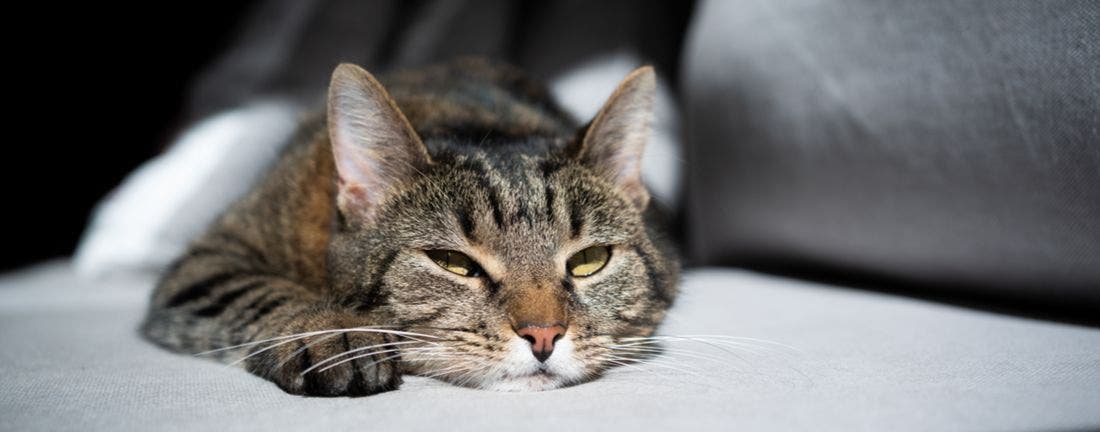
In the wild, cats spend their days hunting, exploring, observing, and protecting their territory.
Indoor life provides safety — but it also removes much of the natural stimulation their brains and bodies are designed for.
When a cat doesn’t receive enough mental and physical enrichment, behavioural issues start to appear.
At Catology, we believe that understanding these red flags is essential to creating a balanced, fulfilling life for your cat.
Here’s how to recognise understimulation — and what you can do to fix it.
1. Excessive Zoomies or Sudden Bursts of Energy
Zoomies can be normal… but when they happen:
-
multiple times a day
-
late at night
-
accompanied by frantic running
…it often means your cat is trying to burn off unspent energy.
✔️ What it means
Your cat isn’t getting enough structured play.
✔️ How to fix it
Introduce short daily play sessions using toys that trigger the hunt cycle.
2. Destructive Scratching
Scratching is healthy and natural.
But when it becomes destructive — furniture, carpets, walls — it often signals:
-
boredom
-
stress
-
excess energy
-
frustration
✔️ How to fix it
Provide high-quality scratchers and place them in key territorial zones to redirect behaviour.
3. Aggression Out of Nowhere
Understimulated cats may release pent-up energy through:
-
biting
-
swatting
-
ambushing your legs
-
attacking other pets
This isn’t “meanness.”
It’s unmet instinctual needs.
✔️ How to fix it
More enriching play + routine + environmental stimulation.
4. Overeating or Constant Meowing for Food
Food becomes an emotional outlet when stimulation is lacking.
Signs include:
-
begging
-
overeating
-
guarding the bowl
-
vocalising around mealtime
✔️ How to fix it
Create a feeding routine and provide enrichment toys to shift the focus from food to activity.
5. Over-Grooming or Fur Loss
When cats lack stimulation, they may turn grooming into a stress-relief mechanism.
This can cause:
-
excessive licking
-
bald patches
-
irritation
-
skin sensitivity
✔️ How to fix it
Provide toys, scratchers, and safe resting spaces to reduce stress triggers.
6. Sleeping Too Much (Yes, Even for a Cat)
Cats naturally sleep a lot — but understimulated cats may sleep excessively as a coping mechanism.
If your cat seems:
-
uninterested in play
-
withdrawn
-
apathetic
…it may be due to boredom, not just rest.
✔️ How to fix it
Reintroduce interactive enrichment and better environmental structure.
7. Attention-Seeking Behaviour
Cats who constantly demand attention or follow you everywhere may be understimulated.
Behaviours include:
-
meowing for interaction
-
pushing items off tables
-
pawing for attention
-
interrupting your work
✔️ How to fix it
Build a daily play routine that fulfills their need for engagement.
8. Over-Sensitivity to Sounds or Movement
When cats don’t receive enough stimulation, their nervous system becomes hyper-reactive.
You may notice:
-
jumping at small movements
-
reacting strongly to noises
-
feeling “on edge”
✔️ How to fix it
Provide calming enrichment, structured play, and a predictable environment.
The Tools to Fix Understimulation
A balanced environment includes:
1. Toys (for mental and physical exercise)
Stimulate hunting instincts and reduce frustration.
2. Scratchers (for strength and territorial comfort)
Support mobility + emotional grounding.
3. Beds and safe spaces (for restorative sleep)
Help regulate the nervous system.
4. Routine (for emotional stability)
Predictability lowers stress.
5. Nutrition and probiotics (for gut–brain balance)
A stable microbiome supports calm behaviour.
Conclusion: A Stimulated Cat Is a Happier Cat
Understimulation is one of the most overlooked causes of behavioural issues in indoor cats.
By providing toys, scratchers, beds, routine, and balanced nutrition, you can dramatically improve your cat’s mood, confidence, and overall wellbeing.
At Catology, we believe enrichment is not luxury — it’s wellness.
A stimulated cat is a peaceful, fulfilled, emotionally balanced cat.
Share:
The Cat Sleep Blueprint: How to Create a Space Your Cat Truly Loves
How to Choose Truly Healthy Cat Treats (Most Owners Get This Wrong)