

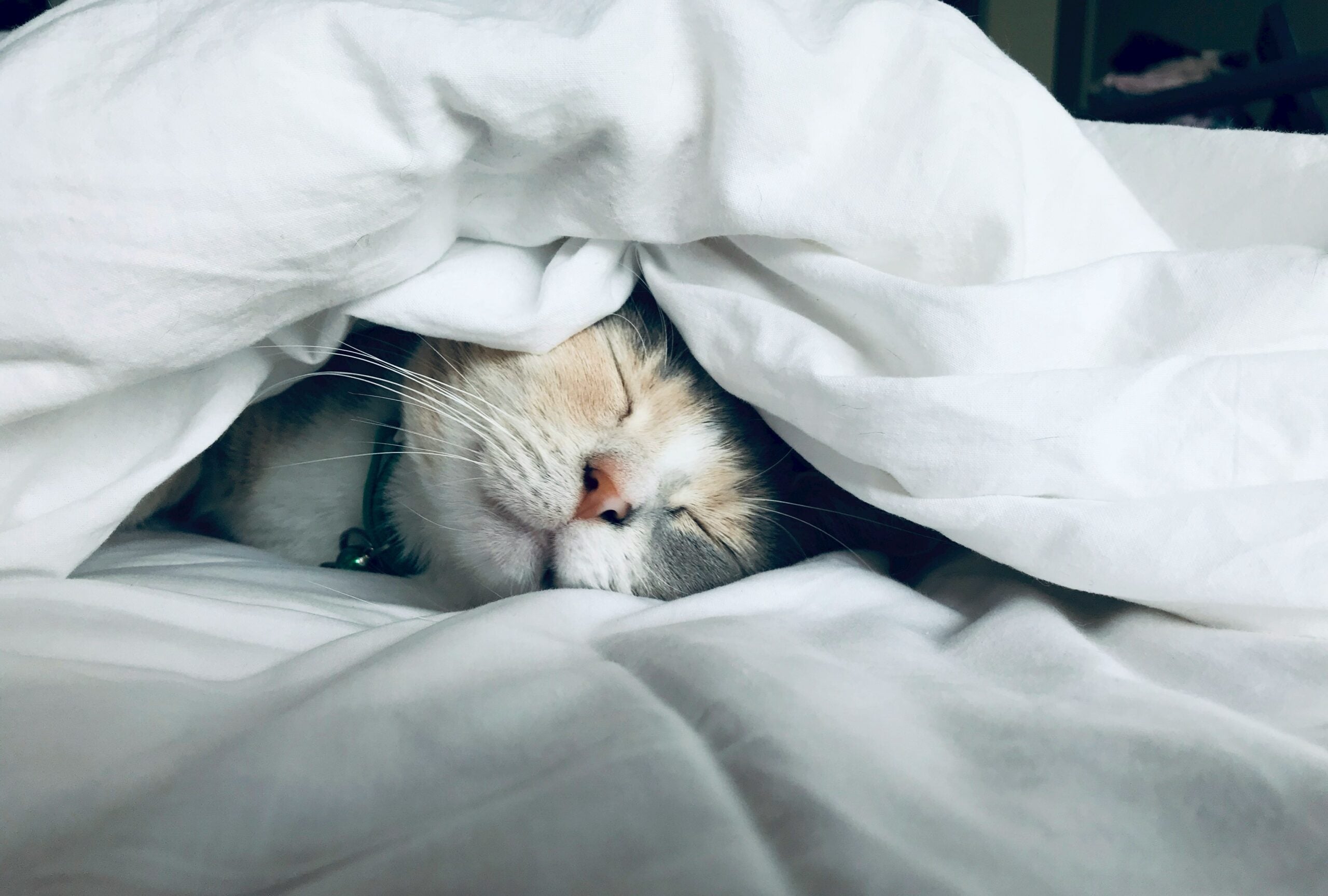
Cats sleep an average of 12 to 16 hours per day — and some sleep even more.
Sleep is not just “rest” for cats; it’s the foundation of:
-
emotional balance
-
immune function
-
cognitive performance
-
joint recovery
-
stress reduction
At Catology, we believe quality sleep is one of the most overlooked pillars of feline wellness.
Here’s how to create a sleep environment your cat will instinctively gravitate toward — and why it matters more than you think.
1. Why Cats Need a Dedicated Sleeping Space
Cats are territorial animals.
A safe, predictable sleep area helps them feel:
-
confident
-
calm
-
grounded
-
emotionally secure
Without a dedicated space, cats may become restless, anxious, or overly dependent on hidden corners.
A well-designed bed is not a luxury — it’s a biological necessity.
2. Warmth: The #1 Factor Cats Look For
Cats naturally seek warmth because:
-
their body temperature runs high
-
warmth supports muscle recovery
-
it mimics the comfort of being close to their mother
A premium cat bed with insulating materials creates a micro-environment that instantly relaxes the nervous system.
✔️ Tip
Place the bed near a sunlight spot or a quiet wall to enhance warmth naturally.
3. Height and Visibility (Security Through Elevation)
Many cats prefer elevated spots because they provide:
-
a clear view of the room
-
protection from sudden threats
-
a sense of ownership over the territory
Elevated beds, shelves, or window hammocks tap directly into your cat’s instinctual need to observe safely from above.
4. Softness and Pressure Relief
Cats love surfaces that support their joints while still feeling firm enough to maintain posture.
A high-quality cat bed should offer:
-
plush softness
-
gentle firmness
-
memory-foam-like structure
-
breathable materials
This is especially important for:
-
senior cats
-
overweight cats
-
cats with joint stiffness
Softness alone is not enough — proper support is key.
5. Privacy: The Hidden Side of Feline Sleep
Cats often hide when they sleep because enclosed spaces:
-
block sensory overload
-
lower stress hormones
-
promote deeper REM cycles
Beds with raised sides, half-domes, or cocoon-like structures offer this sense of security.
✔️ Tip
Create a “privacy zone” far from foot traffic, TV noise, or loud appliances.
6. Scent and Familiarity
Cats bond deeply with spaces that smell like:
-
them
-
their owner
-
their home environment
You can enhance this by:
-
placing a small blanket with your scent
-
avoiding harsh detergents
-
letting the bed build your cat’s natural scent profile
Scent = safety.
7. The Role of Temperature Regulation in Sleep Quality
Overheating is a common cause of poor sleep in cats.
Premium beds use:
-
breathable fibres
-
moisture-wicking materials
-
thermoregulating padding
This prevents night-time restlessness and helps maintain stable sleep cycles.
8. Rotating Beds to Match Your Cat’s Mood
Cats often change sleep spots depending on:
-
season
-
mood
-
sunlight
-
temperature
-
territorial preference
Providing 2–3 designated sleep areas (quiet corner, elevated shelf, warm sunlight zone) allows your cat to self-regulate their rest.
9. How Beds Reduce Stress and Behavioural Issues
A safe, comfortable sleep environment reduces:
-
nighttime zoomies
-
excessive vocalisation
-
over-grooming
-
irritability
-
sudden aggression
Sleep is medicine — and an unstable sleeping environment disrupts emotional harmony.
Conclusion: A Perfect Bed Creates a Perfect Routine
A thoughtfully designed sleep space is one of the simplest and most powerful ways to improve your cat’s wellbeing.
With warmth, softness, elevated security, and privacy, your cat will achieve deeper rest — leading to better behaviour, improved immune health, and a calmer daily life.
At Catology, we believe that creating the perfect sleep environment is an act of love grounded in science.
Better sleep. Better mood. Better health.
Share:
Is Your Cat Understimulated? The Behavioral Red Flags to Watch For
How to Choose Truly Healthy Cat Treats (Most Owners Get This Wrong)