

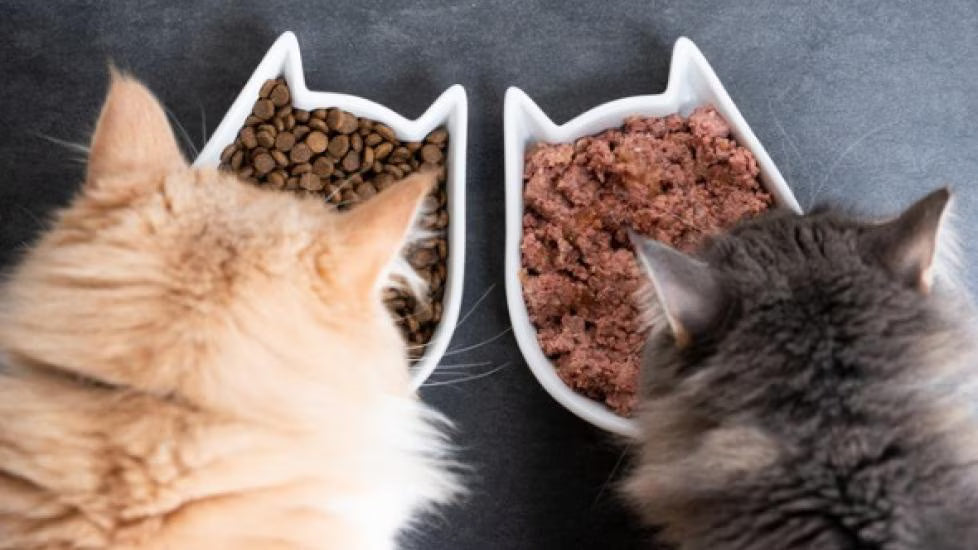
At first glance, all cat food may look similar — dry kibble, wet cans, pretty packaging, bold claims.
But the difference between low-quality food and a truly premium formula is enormous. It affects your cat’s digestion, immunity, behaviour, skin, coat, energy, and long-term health.
At Catology, we believe cat parents deserve clarity, not marketing noise.
Here’s the real breakdown of what separates cheap food from high-quality nutrition.
1. Ingredient Quality: Animal Protein vs. Fillers
Cheap cat food relies heavily on plant fillers like:
-
corn
-
wheat
-
soy
-
pea starch
-
barley
These ingredients are inexpensive and help bulk up the food — but cats are obligate carnivores, biologically designed to thrive on animal protein, not plants.
✔️ High-quality formulas use:
-
real chicken, turkey, salmon, tuna, lamb
-
organ meats rich in natural nutrients
-
responsibly sourced animal protein
✔️ Why it matters
Better ingredients = better digestion, better energy, better overall health.
2. Bioavailability: Not All Proteins Are Equal
Cheap foods often use low-bioavailability proteins, meaning your cat cannot properly absorb them.
High-quality formulas use digestible, species-appropriate proteins, allowing your cat to absorb:
-
amino acids
-
fatty acids
-
vitamins
-
minerals
Bioavailability is the difference between “eating” and actually being nourished.
3. Additives and Artificial Flavours
Cheap cat food often hides its poor ingredient quality behind:
-
artificial flavours
-
artificial colours
-
chemical preservatives
-
sweeteners
These additives can trigger allergies, digestive upset, or behavioural issues.
✔️ High-quality formulas avoid unnecessary chemicals
They rely on clean ingredients that are naturally palatable.
4. Carbohydrates: How Cheap Food Cuts Corners
Cats do not need carbohydrates to survive.
Yet many low-cost formulas contain 30–50% carbs.
Excess carbs can lead to:
-
weight gain
-
lethargy
-
inflammation
-
poor coat quality
-
unstable blood sugar
Premium formulas keep carbs low and protein high, respecting feline biology.
5. Impact on Gut Health and Immunity
Cheap foods often disrupt the microbiome due to:
-
fillers
-
additives
-
low-quality proteins
This leads to digestive problems and weakened immunity.
✔️ High-quality formulas
-
support gut balance
-
improve nutrient absorption
-
reduce inflammation
-
pair perfectly with probiotics like Catology Probiotics
A healthy gut = a healthier cat.
6. Long-Term Health Outcomes
The differences may not be obvious on day one, but they accumulate.
Cheap cat food often leads to:
-
dull coat
-
chronic vomiting
-
smelly stools
-
obesity
-
allergies
-
diabetes
-
urinary issues
High-quality formulas support:
-
stable digestion
-
shiny coat
-
healthy weight
-
balanced energy
-
long-term wellness
Nutrition shapes the course of your cat’s life.
7. Cost vs. Value: Why Premium Food Pays Off
Cheap food feels economical — until vet bills pile up.
Premium food is an investment in:
-
fewer digestive issues
-
fewer skin flare-ups
-
fewer allergies
-
fewer behavioural problems
-
fewer long-term health complications
Better nutrition today = fewer problems tomorrow.
Conclusion: Not All Cat Food Is Created Equal
The difference between cheap and high-quality cat food is not just price — it’s health vs. risk.
By choosing clean, protein-rich, biologically appropriate formulas, you’re giving your cat the nutrition their body truly needs.
At Catology, we believe that every meal should nourish, protect, and elevate your cat’s wellbeing.
Quality isn’t a luxury.
For cats, it’s a necessity.
Share:
Is Your Cat Understimulated? The Behavioral Red Flags to Watch For
How to Choose Truly Healthy Cat Treats (Most Owners Get This Wrong)