

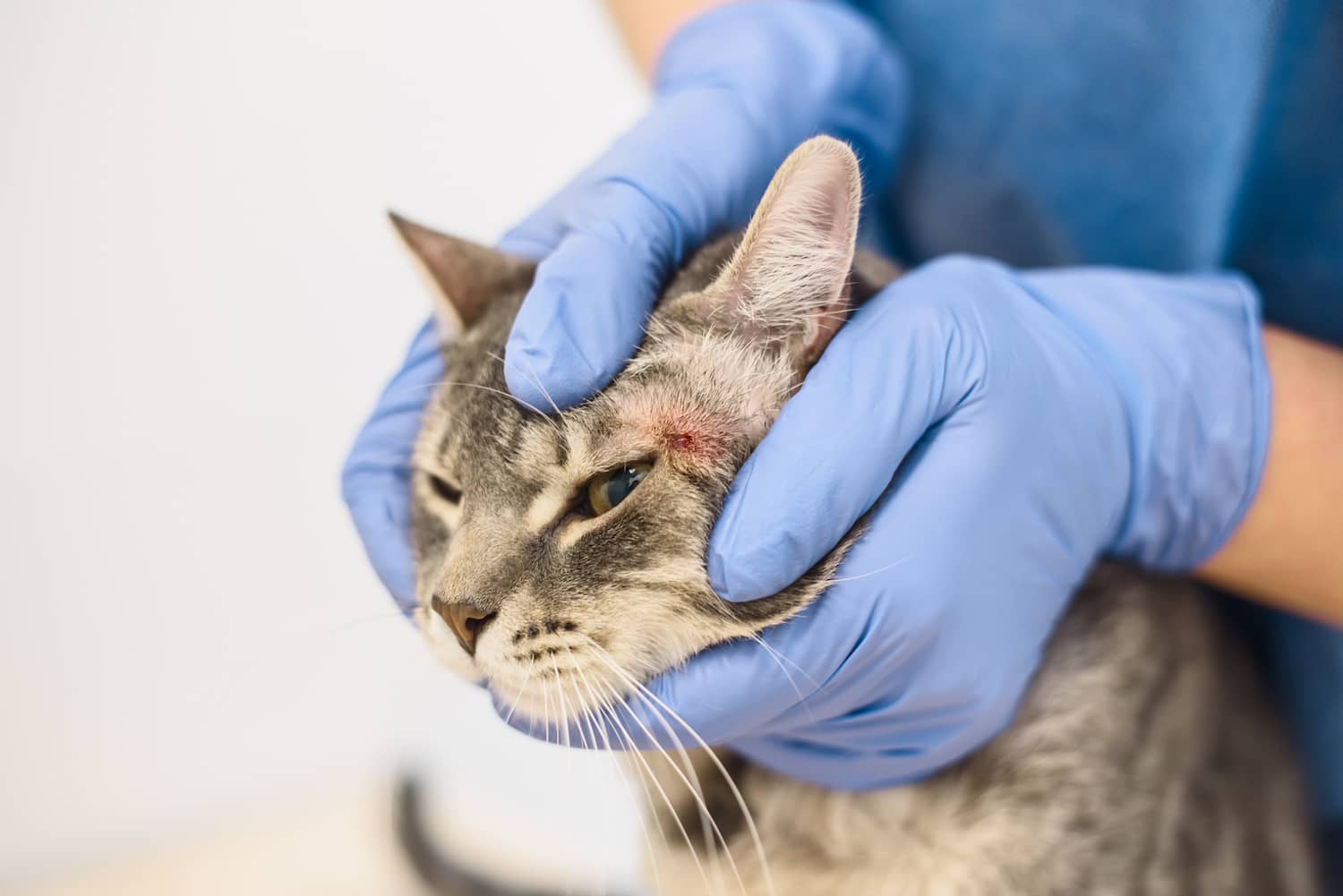
Cat allergies are far more common than most owners realise. From itchy skin to chronic digestive issues, many symptoms that seem “random” are actually linked to immune responses driven by food, environment, or gut imbalance.
At Catology, we believe in a holistic approach: understanding the root causes of allergies and using nutrition — especially probiotics — to support long-term relief.
Here’s the complete, expert-backed guide every cat parent should read.
1. The Three Types of Cat Allergies
Before addressing symptoms, it’s essential to understand which allergy your cat may be facing.
1. Food Allergies
Triggered by specific ingredients such as:
-
chicken
-
beef
-
dairy
-
wheat
-
soy
-
artificial additives
Food allergies often cause skin irritation, itching, and digestive problems.
2. Environmental Allergies
Caused by:
-
dust mites
-
pollen
-
mold
-
household chemicals
-
fragrances
These typically affect the skin and respiratory system.
3. Flea Allergies (Flea Allergy Dermatitis)
Just one flea bite can cause:
-
intense itching
-
inflammation
-
scabs
-
hair loss
It’s one of the most common allergy sources in cats worldwide.
2. The Most Common Symptoms of Allergies
If your cat is experiencing any of the following, allergies may be the underlying cause:
-
constant scratching or licking
-
red, irritated skin
-
hair loss or thinning patches
-
recurring ear infections
-
watery eyes or sneezing
-
vomiting or diarrhoea
-
chronic digestive upset
-
swollen paws or face
Cats rarely “just itch.” Persistent symptoms usually indicate an immune imbalance that needs addressing.
3. How Nutrition Influences Allergies
Diet plays a critical role in allergy management because 70% of the immune system lives in the gut.
A healthy gut = a calmer immune system
A damaged gut = constant inflammation
Poor-quality diets filled with fillers, additives, and low-grade proteins can worsen allergic responses.
✔️ How nutrition helps:
-
reduces inflammatory triggers
-
strengthens gut lining
-
supports a balanced immune response
-
improves nutrient absorption
-
lowers sensitivity to external allergens
4. The Power of Probiotics for Allergy Relief
Probiotics are one of the most effective tools for reducing allergy symptoms in cats.
They help by:
-
restoring the microbiome
-
reducing inflammation
-
fortifying the gut barrier
-
modulating the immune system’s overreactions
Studies show that probiotics can significantly reduce symptoms of both food allergies and environmental allergies when used consistently.
At Catology, our probiotic formulas are designed to be gentle, high-potency, and feline-specific — ensuring maximum effectiveness.
5. Choosing the Right Diet for Allergic Cats
Cats with allergies benefit from clean, minimal, high-protein diets.
Look for:
-
single-source proteins (chicken-only, salmon-only, etc.)
-
grain-free formulas
-
no artificial colours or flavours
-
omega-rich ingredients for skin health
-
prebiotics + probiotics
Avoid:
-
corn, wheat, soy
-
by-products
-
cheap flavour enhancers
-
unnecessary fillers
6. Environmental Adjustments That Help
While nutrition is key, small changes at home can drastically reduce symptoms:
-
use unscented litter
-
avoid harsh cleaning products
-
wash bedding regularly
-
keep dust and hair under control
-
ensure effective flea prevention
A clean, low-irritant environment helps your cat’s immune system stay calmer.
7. When to Consult a Veterinarian
Seek professional guidance if:
-
symptoms persist for more than 2–3 weeks
-
skin irritation becomes severe
-
there is weight loss
-
your cat seems distressed
-
you suspect a flea infestation
A vet can perform allergy testing, rule out infections, and help tailor dietary changes.
Conclusion: Allergies Are Manageable With the Right Tools
Cat allergies are challenging — but absolutely manageable.
With a clean diet, high-quality probiotics, and a calm environment, most cats experience significant relief within weeks.
At Catology, we’re committed to giving cat parents the knowledge and science-backed products they need to support long-term wellness.
Your cat deserves comfort.
Their relief starts with understanding.
Share:
Is Your Cat Understimulated? The Behavioral Red Flags to Watch For
How to Choose Truly Healthy Cat Treats (Most Owners Get This Wrong)